
You Don’t Need To Know R&D Tax Yet. You Do Need To Be A Good Consultant.
We’re looking for people who can understand complex problems, ask sharp questions and communicate with founders and technical teams. If you already know R&D Tax, you’ll spend more time on client conversations and judgement. If you’re new to it, we’ll teach you the framework.
Already in R&D Tax?
Spend more time interviewing clients, making judgement calls and managing relationships - with support around you for finance, technical writing and admin.
New to R&D Tax?
Bring the consulting, technical and communication skills. We’ll teach you the R&D Tax framework.
4.8★ From 300+ Google Reviews
See what hundreds of clients say about working with Bulletpoint - and the kind of relationships you’ll be helping build.
What Does R&D Tax Consulting Actually Look Like?
It’s less about knowing tax rules and more about understanding how businesses solve difficult technical problems.
You’ll speak directly with founders, engineers and developers to understand what they were trying to build, where the uncertainty was and how they worked through it.
Your job is to ask the right questions, understand the technical work and use your judgement to identify what matters for the R&D Tax claim.
New to R&D Tax? We’ll teach you the framework. You bring the technical curiosity, communication skills and judgement.
The conversations sound like this:
- What were you trying to achieve?
- What didn’t you know at the beginning?
- What did you test?
- What failed or changed?
- What evidence supports the work?
Spend More Time On The Work That Needs Your Judgement
You’ll stay close to the technical detail when it matters - but you won’t have to do everything yourself. Spend more of your time understanding projects, interviewing clients and making judgement calls, with a team around you for the rest.
Founder Interviews
Speak directly with founders and technical teams to understand what they built, tested and learned.
Technical Judgement
Ask the follow-up questions that uncover what matters and make informed calls on the claim.
Client Relationships
Guide clients through the process, explain issues clearly and build long-term relationships.
Support Around You
Get support across finance, technical writing, research and administration, so you can stay focused on higher-value client work.
We’ve Been Doing R&D Tax Differently Since 2011.
Bulletpoint has specialised in the R&D Tax Incentive since 2011, working with more than 500 Australian companies across software, engineering, manufacturing and other technical industries.
Our approach starts with the people actually doing the work. We speak directly with founders and technical teams, ask the questions that uncover the real technical story, and use that understanding to build the claim.
It’s an approach built around technical understanding, good conversations and sound judgement - not simply ticking boxes.
Frequently Asked Questions
Do I need previous R&D Tax experience?
No. For the Consultant role, we care more about whether you can understand technical businesses, ask good questions, communicate clearly and use judgement. We can teach you the R&D Tax framework.
What backgrounds are you looking for?
Consulting, accounting, engineering, science, technology or other roles where you’ve had to understand complex information and explain it clearly to other people.
The common thread is technical curiosity, strong communication and good judgement.
What training will I get?
We’ll teach you the R&D Tax framework, how we run technical interviews, what good evidence looks like and how to work out what matters for a claim.
You’ll also learn how Bulletpoint uses its delivery team, systems and AI to make the process more efficient.
What does R&D Tax consulting actually involve?
A lot of it is investigative consulting.
You speak with founders, engineers, developers and technical teams to understand what they were trying to build, what they didn’t know at the start, what they tested, what failed and what changed.
Then you apply the R&D Tax framework to work out what matters for the claim.
How technical do I need to be?
Technical enough to understand complex ideas, ask sensible follow-up questions and know when something doesn’t quite add up.
You do not need to be an expert in every technology you come across. Curiosity, listening skills and the ability to learn quickly matter more.
What kinds of companies will I work with?
A wide mix.
Software companies, engineering businesses, manufacturers, technology companies and other businesses developing or improving products, processes and systems.
One day you might be talking with a software founder. The next, an engineer or manufacturer.
What does a normal week look like?
A mix of client interviews, reviewing technical information, working through R&D issues, speaking with accountants, guiding clients and working with the delivery team preparing claims.
You’ll usually be across several different companies and technologies rather than sitting on one large project for months at a time.
Is this suitable for someone already working in R&D Tax?
Yes. The Senior Consultant role is designed for someone who already understands R&D Tax and wants to spend more time on the higher-value parts of the job - client conversations, technical judgement, relationships and guiding claims.
How is the role different from a traditional R&D Tax consulting role?
You’re not expected to personally do every part of every claim.
You’ll have support around you for finance, technical writing, research, uploading and administration, so more of your time can go into interviews, judgement, client guidance and relationships.
How much of my time will be client-facing?
A lot.
You’ll spend a significant part of your time speaking with founders, engineers, technical teams and accountants. The role is deliberately built around direct client contact rather than keeping senior consultants buried in production work.
Who does the finance and technical writing?
You’ll have a delivery team around you helping with the finance, technical writing, research, uploading and administration.
You still oversee the work, review it and get involved where your judgement is needed.
Will I still do writing and analysis myself?
Yes.
You’ll still review technical information, analyse issues, write when it makes sense and get into the detail when required.
The difference is that you’re not expected to personally produce every part of the claim.
Will I manage accountant relationships and referrals?
Yes. That’s an important part of the role.
We want Senior Consultants building strong relationships with clients and their accountants, looking after those relationships over time and identifying opportunities for referrals.
How much autonomy would I have?
A lot, once you’re comfortable with how Bulletpoint works.
The aim is for Senior Consultants to own their client relationships, lead interviews, make technical judgements and guide claims, while using the wider team where support is needed.
Where is the role based?
The role is predominantly based in Melbourne, and we expect you to spend the majority of your time working with the team in the office.
We’ve found that a lot of the best learning, collaboration and culture happens when people are actually together - particularly when you’re learning the role and developing your consulting skills.
There will be flexibility where it makes sense, but this isn’t designed as a fully remote role.
Who will I report to?
You’ll report to the Senior Tax Manager.
They’ll support you with technical questions, reviewing work, client issues and your development. You’ll also work closely with the wider delivery team supporting finance, technical writing, research and administration.
How do I progress at Bulletpoint?
Progression is about more than becoming technically good at R&D Tax.
The next level is becoming someone clients and accountants actually want to deal with.
That means not just sending an accountant an email because you need something. Pick up the phone. Get to know them. Understand their clients. Ask whether there are other businesses you could help.
It’s the same with clients. Don’t just finish the claim and move on. Build the relationship. Understand what else is happening in their business. Look for ways to help.
Over time, you should be building your own network of founders, accountants and referral relationships.
Progression also comes from getting good throughput, finding opportunities, improving the way we work and helping us make the process better through systems, automation and AI.
For a Consultant, that progression leads towards Senior Consultant.
For a Senior Consultant, the next step is towards Tax Manager, taking on more complex work, larger client relationships and eventually consultants reporting to you.
What does good performance look like?
We measure things.
That includes the obvious things like quality, client outcomes and throughput, but we also look at how well the consulting itself is being done.
We use structured interviewing techniques and will even review and score meetings to look at things like the quality of the questions, follow-up questions, listening and whether we actually got to the important technical issues.
The point isn’t to micromanage people. It’s to give you feedback you can actually use to get better.
Will I learn about marketing and business development as well?
Yes, if you want to.
Bulletpoint does a lot more than just technical delivery. You’ll get exposure to how we generate leads, run advertising, produce video, use LinkedIn, manage sales conversations and build a specialist brand.
That can include developing your own personal brand as well.
As you progress, being good technically is only part of the job. You also need to be able to build trust, communicate ideas, develop relationships and create opportunities.
Those are useful skills whether you stay at Bulletpoint for ten years or take them with you for the rest of your career.
Why do you care about my LinkedIn profile?
Because LinkedIn isn’t just an online CV.
It’s a way of showing how you think, what you’ve worked on and how you communicate. As you become more senior, it also becomes a way for clients, founders and accountants to understand who you are before they ever speak with you.
Have a look at Ben’s profile. It isn’t written as a list of things about Ben. It’s written around the problems the client cares about.
That’s the sort of thinking we want to teach.
Your personal brand should become an asset over time, not something you update the week you decide to find another job.
Do I need to send a CV or cover letter?
No.
A reasonably polished CV and cover letter are very easy to produce now. ChatGPT means most of them end up sounding pretty similar anyway.
Your LinkedIn profile is enough for us to start.
But make sure it actually tells us something. Explain the work you’ve done, the problems you’ve worked on, the clients you’ve dealt with and the responsibility you’ve had.
How can I really stand out?
Send us a short video.
It doesn’t need fancy production. Your phone is fine.
If the form supports it, you can upload the video directly. Otherwise, just paste a link to a Loom, Google Drive, unlisted YouTube video or similar.
The video is optional. Not sending one will not exclude you from the process.
Tell us who you are, why the role caught your attention and answer a few questions you think we should be asking you.
We’re hiring people whose job involves talking to founders, interviewing technical people, building relationships and explaining complicated things clearly.
So seeing how you actually communicate tells us far more than another polished cover letter.
Send us a good video and you’ll go straight towards the top of the pile.
What is the recruitment process?
Start with the short questions on this page and book a conversation with Ben.
If there looks to be a fit, we’ll spend more time looking at how you think, communicate, ask questions and work through problems.
We’re not trying to create an obstacle course. We’re trying to work out whether you’d be good at the actual job.
What if I’m interested but not ready to move?
That’s fine.
Some of the best people we meet are already doing well somewhere else.
You don’t need to decide today that you want another job. The best relationships are often built over time.
Have a conversation. See how we work. Let us see how you work. If the timing isn’t right now, it may be later.
Think This Role Could Be Worth A Conversation?
You don’t need to send a cover letter or decide whether this is your next job.
Answer three quick questions and book a confidential chat with Ben. You can talk through what you’re looking for, learn more about the role and see whether there could be a fit.
No formal application. No pressure. Just a conversation.
See If There’s A Fit →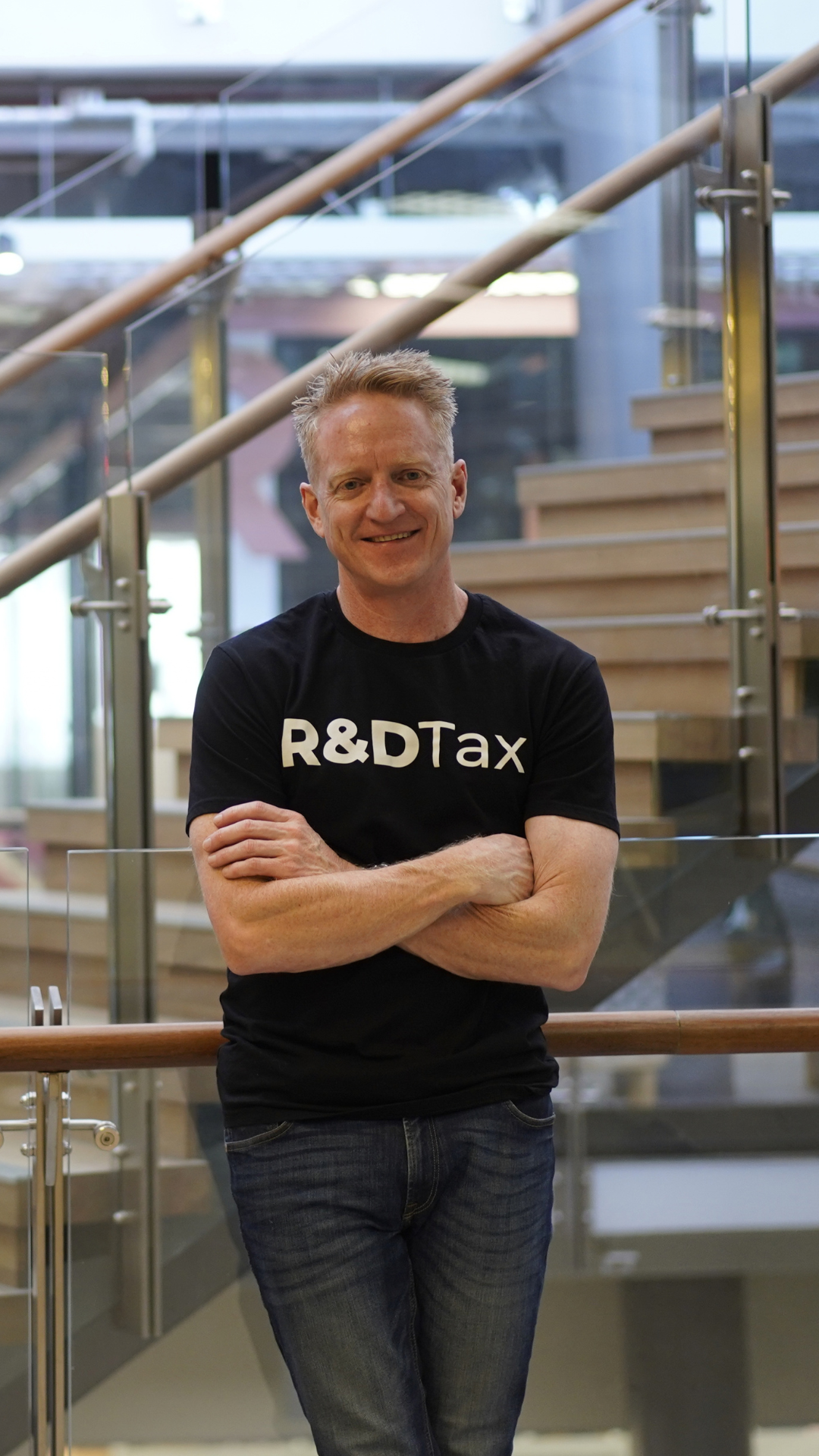
Your First Conversation Is Directly With Ben
Ben Cusack founded Bulletpoint in 2011 after working in engineering and consulting.
He built Bulletpoint around a simple idea: good consulting comes from understanding the client, asking the right questions and applying sound judgement.
Ben is still closely involved in the business and personally involved in hiring and developing the consulting team.
So your first conversation isn’t a formal screening interview. It’s a direct, confidential chat with Ben about your experience, what you’re looking for and whether Bulletpoint could be the right fit.